Understanding the End of Life
A Journey Into Hospice Care
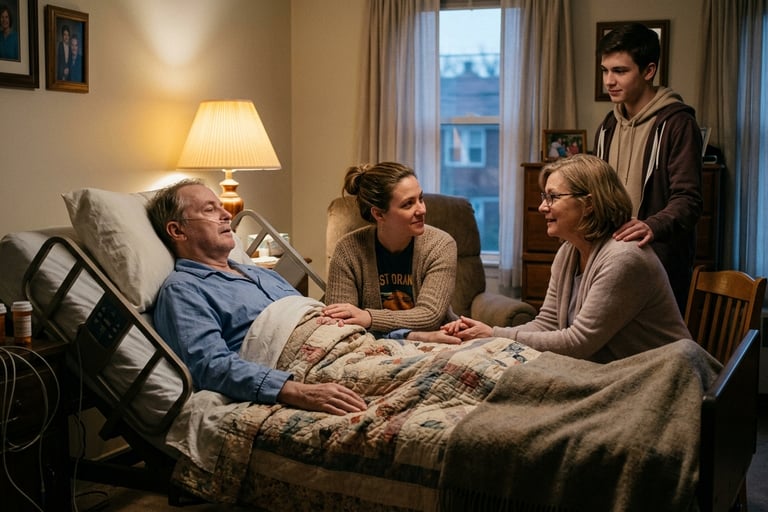
Before I share a few guides on how to care for many patients at the end of life, I would like to share a little of my personal journey with you. In 2015, I began a journey that would permanently change how I understand life, death, and the care we give to people in their final days. At the time, I was working as an agency nurse and visited a healthcare facility for an assignment. During that visit, I met someone who asked if I would be interested in working for a hospice agency. At that moment, I did not fully understand how meaningful that opportunity would become. Before entering hospice care, I had already cared for elderly patients. Working with geriatric patients gave me some insight into aging and declining health, but hospice care introduced me to a different level of responsibility. Hospice care focuses on comfort, dignity, and emotional support for patients who are approaching the end of life.
During my first ninety days working in hospice, I witnessed several patients pass away. Some were elderly individuals who had lived long lives, but others were much younger than I expected. I remember caring for patients in their forties and fifties who were facing serious illnesses such as cancer and other life-limiting conditions. Seeing people at the end of life so early in my hospice career was deeply emotional.
Over time, I realized that hospice care is not only about managing medical symptoms. It is also about guiding families through one of the most difficult moments they will ever experience. Many families have never witnessed the dying process before. They are often afraid, confused, and uncertain about what is happening to their loved one.
Families frequently ask questions such as:
How long does my loved one have to live?
Are they in pain?
Are we doing the right thing?
Is there anything more we can do?
This book was written to help answer those questions. It is based on years of experience caring for patients and supporting families at the bedside during the final stage of life.
My goal is to help families better understand what happens during the dying process so they can replace fear with understanding and provide comfort and peace to their loved ones.


What Hospice Really Means
Many people misunderstand hospice care. Some believe hospice means that doctors and nurses have given up on a patient. Others think hospice is only for the last few hours of life.
In reality, hospice represents a shift in focus. Instead of trying to cure a disease that can no longer be reversed, hospice focuses on comfort, dignity, and quality of life.
Hospice teams work to manage symptoms such as:
pain
breathing difficulties
anxiety
restlessness
nausea
confusion
Hospice care also supports families emotionally. Nurses and hospice staff answer questions, explain changes in the patient’s condition, and guide families through the final stage of life.
One of the most important goals of hospice is to help patients remain comfortable and peaceful.